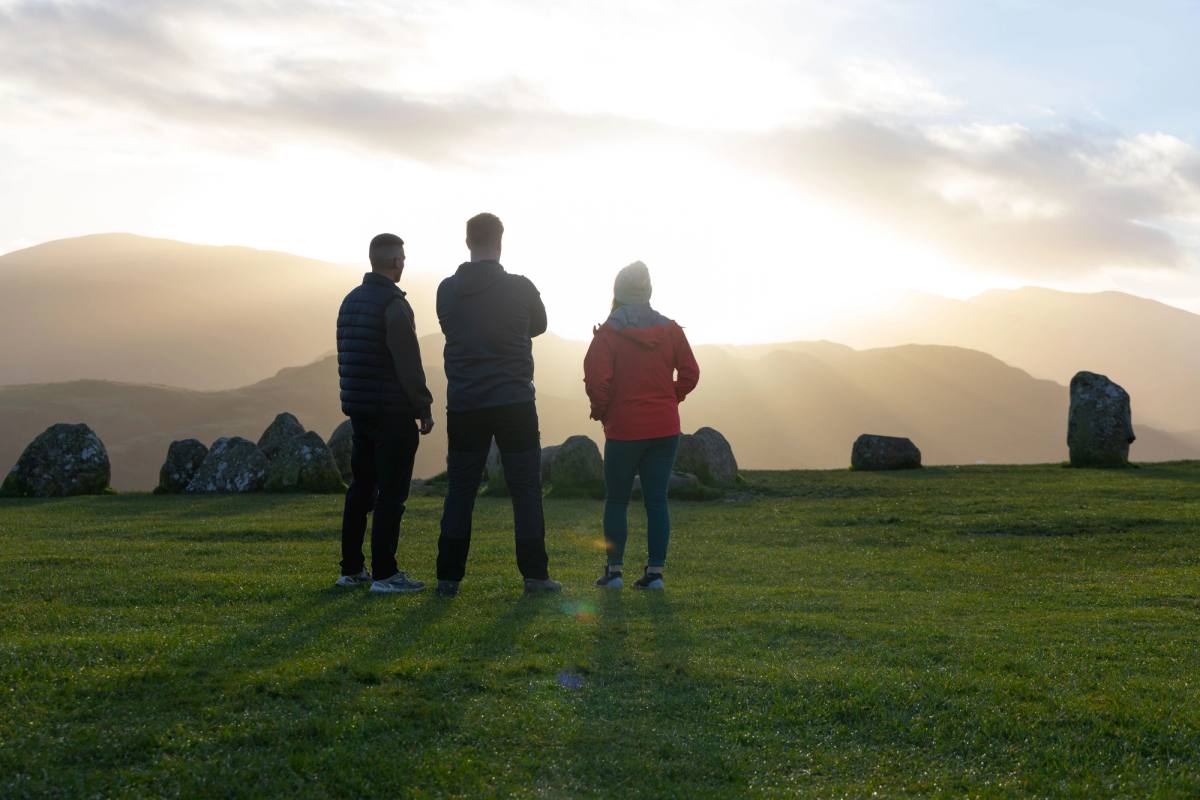

Three reasons
In July 2017 the Lake District was awarded World Heritage Site status, joining an elite list — from Egypt’s pyramids and the Taj Mahal to Hadrian’s Wall. Three things make it special:
- The spectacular landscape, shaped by people over thousands of years through farming and industry.
- The way it drew romantic poets like Wordsworth, along with artists, adventure seekers and tourists — producing everything from picturesque villas to romantic poetry to simply taking in the view.
- The desire to protect it that grew with its popularity, sparking a conservation movement and the beginnings of the National Trust and the National Parks.
A medieval town that never lost its shape
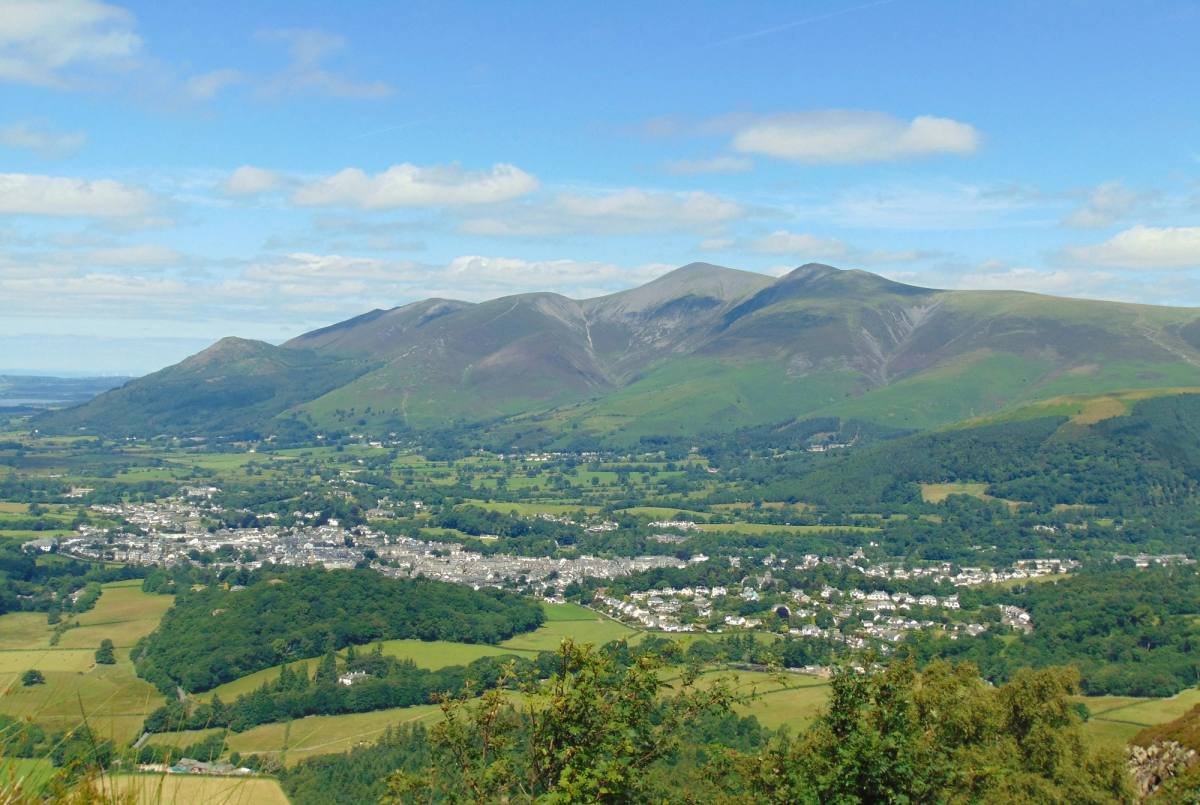
Keswick was established in the medieval period, and its early pattern of market place and burgage plots survives within the modern townscape. Smaller settlements such as Grange and Rosthwaite also have medieval origins.
Where the early tourists went
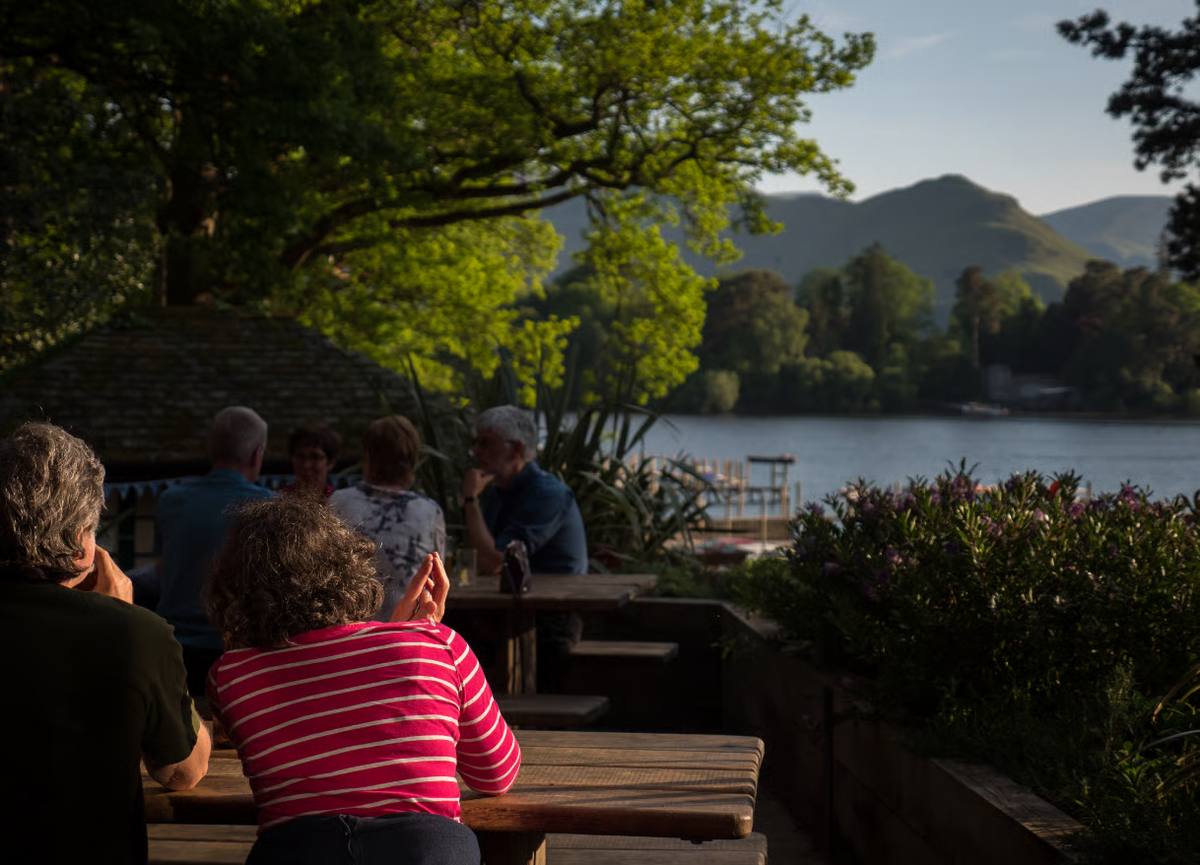
Keswick was one of the primary focuses of the early visitors from the mid eighteenth century. The area from the town down to the Jaws of Borrowdale became celebrated nationally as a landscape of Sublime and Picturesque beauty, and Keswick developed accommodation and facilities for the growing numbers of cultural tourists.
Guidebook writers and artists recorded its landscapes in hundreds of watercolours and prints. Southey and Coleridge both took up residence at different times at Greta Hall, Shelley lived briefly in the town, the Wordsworths were frequent visitors, and Borrowdale appears in many of Wordsworth’s poems.
And what they were living on
Copper mining remains can be seen at Goldscope in the Newlands valley, and the remains of a graphite mine above Seathwaite in Borrowdale. In the 1800s Keswick became the world centre of pencil manufacturing, and the Derwent Pencil Museum — on the site of a 1920s factory — tells that story.
Wool is a vital industry here too: the Herdwick, the Lake District’s native sheep, survives on the mountains all year, and is a breed unique to Britain and to these fells.
Where conservation started
The area is highly important in demonstrating the early conservation movement. Canon Rawnsley, for many years vicar of Crosthwaite, led the battle against a proposed railway on the west side of Derwentwater to the Honister slate quarries — and the National Trust, of which he was a founder, made its first purchases of land in the English Lake District at Brandlehow.
That is where the very first concerns emerged about preserving the scenic quality of this landscape, occasioned by the felling of mature oaks on the northern shores of Derwentwater in the mid eighteenth century. National Trust ownership is now extensive, and has helped maintain both the agro-pastoral and the picturesque character of the place.
Things on the list you can go and stand next to
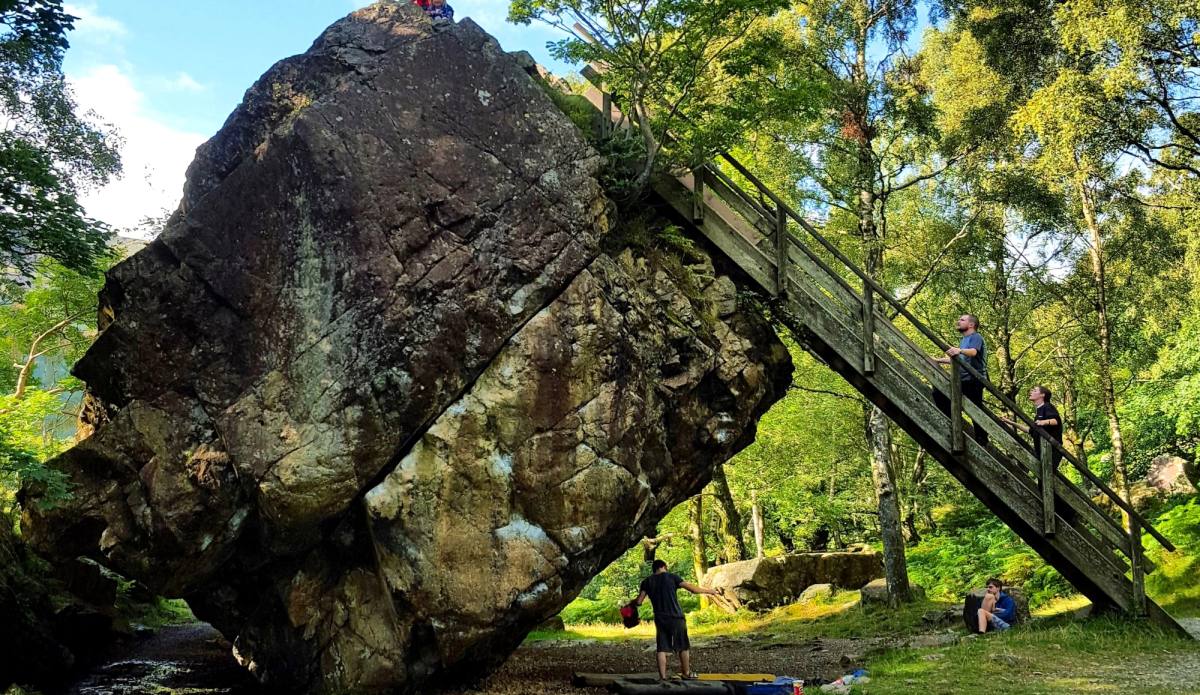
In the Jaws of Borrowdale, balanced improbably on one edge — and one of the quirkiest tourist attractions in the country since the eighteenth century. National Trust.
Read moreClimbable
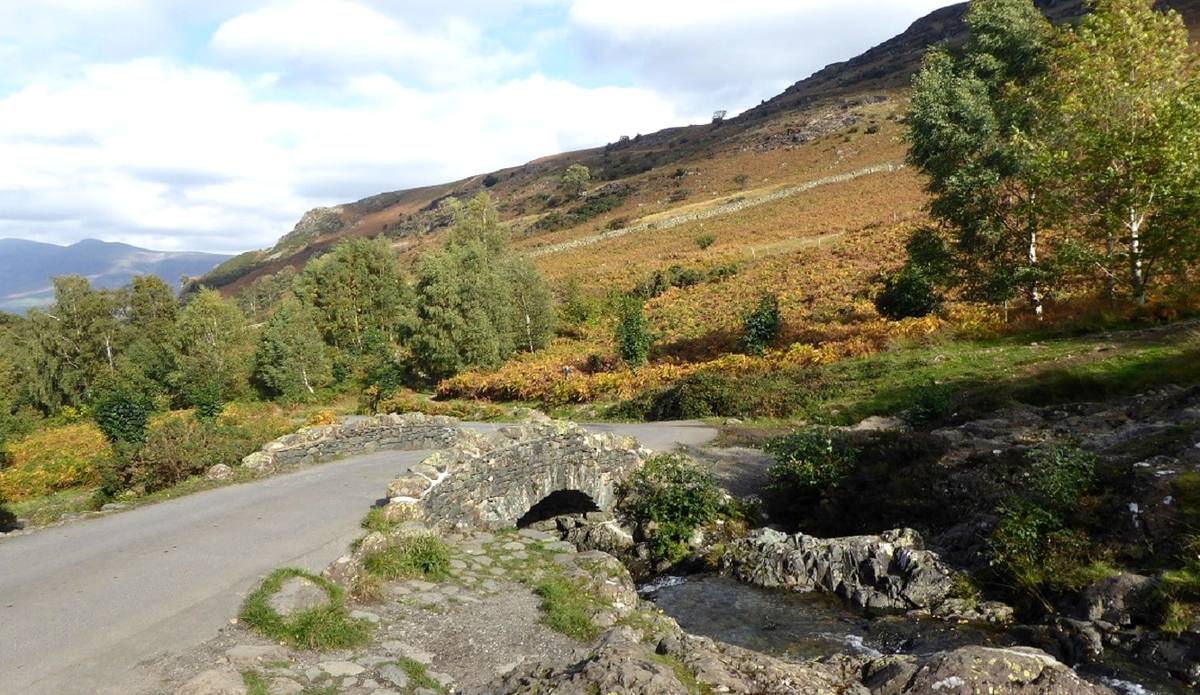
The photogenic packhorse bridge on the Watendlath road, also under National Trust protection.
Read moreArrive by boat
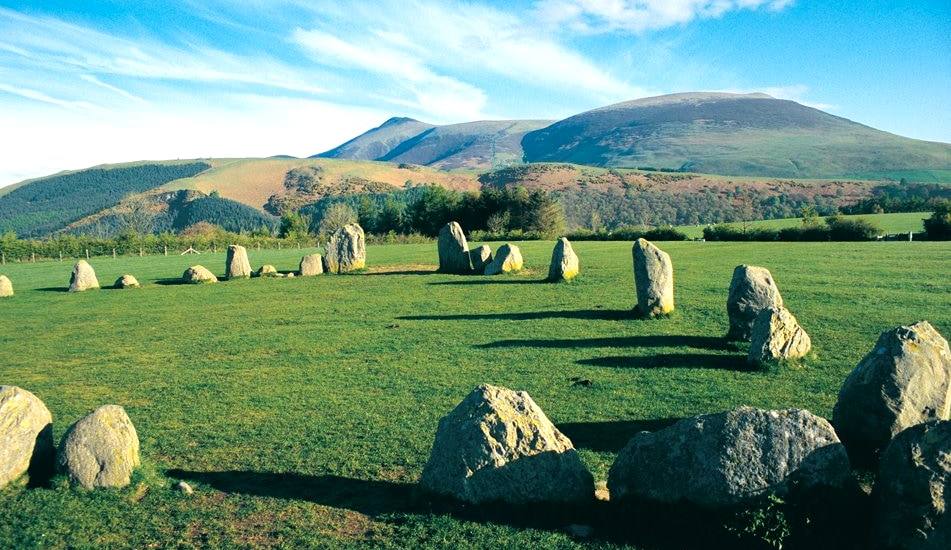
One of Britain’s earliest stone circles, on a low hill east of Keswick with a ring of mountains around it. National Trust land, maintained by English Heritage.
Read moreAn hour
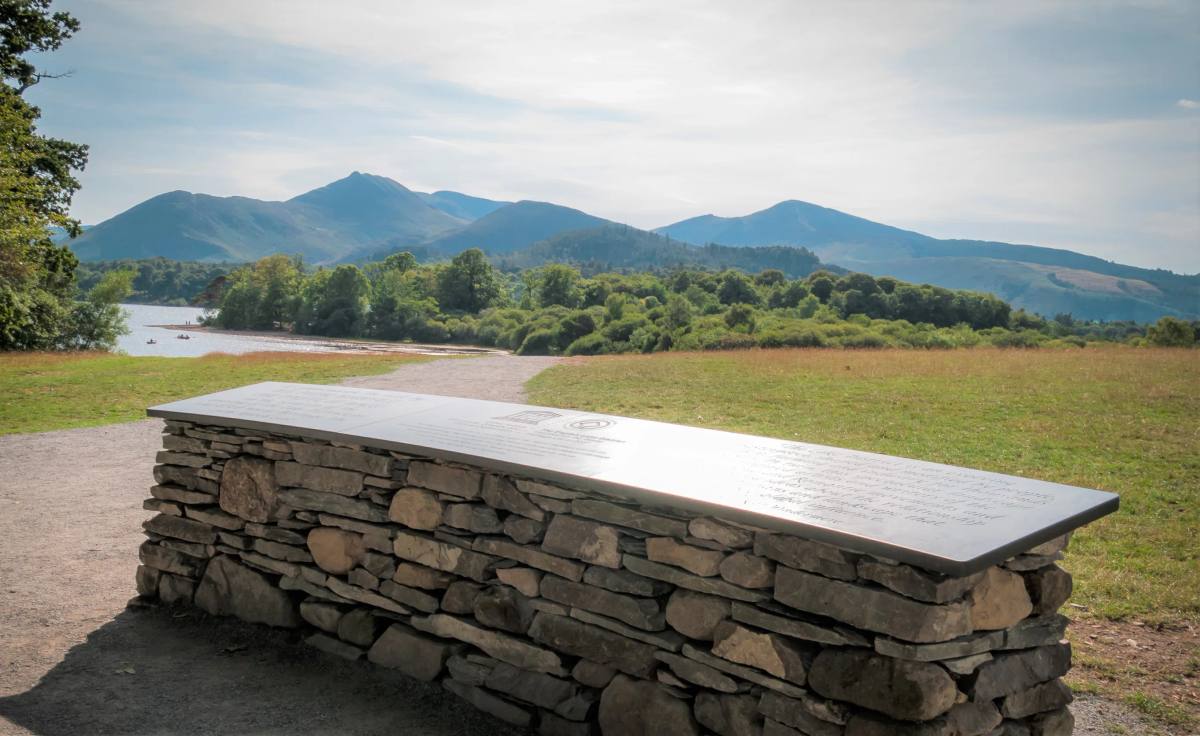
The plaque
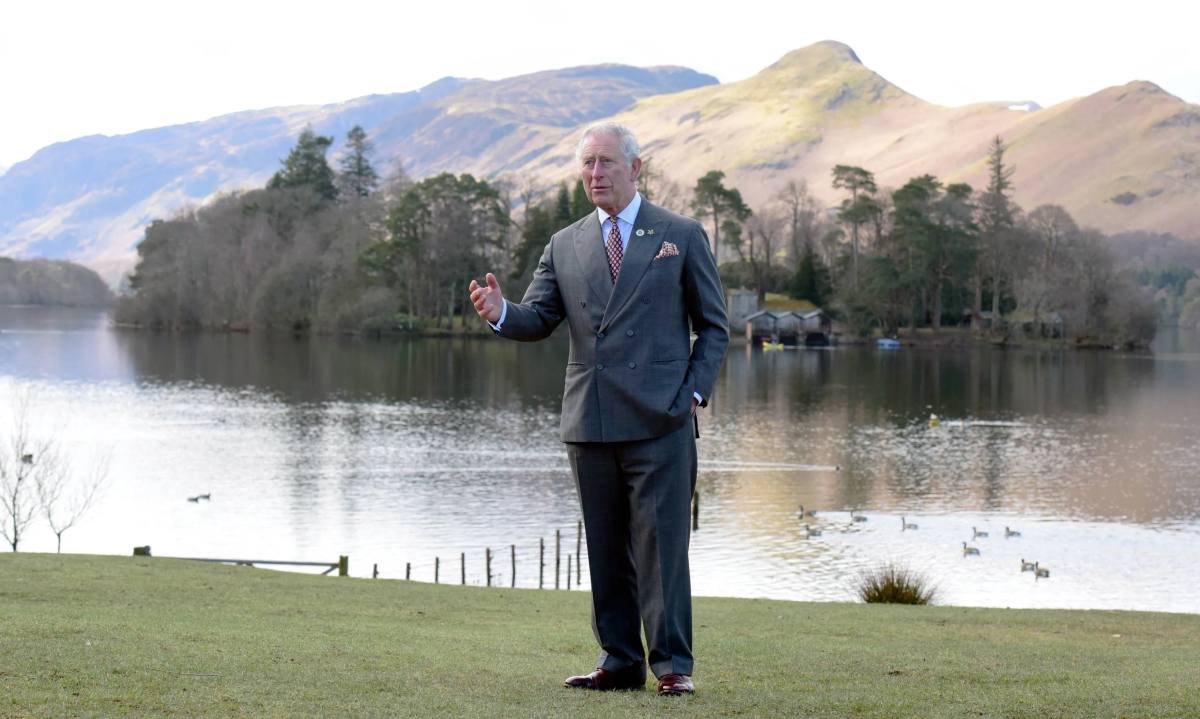
In March 2018 a plaque was unveiled in Keswick to mark the Lake District’s designation as a UNESCO World Heritage Site. It was unveiled by the then Prince of Wales.